All The Gear... And Hopefully Some Idea!
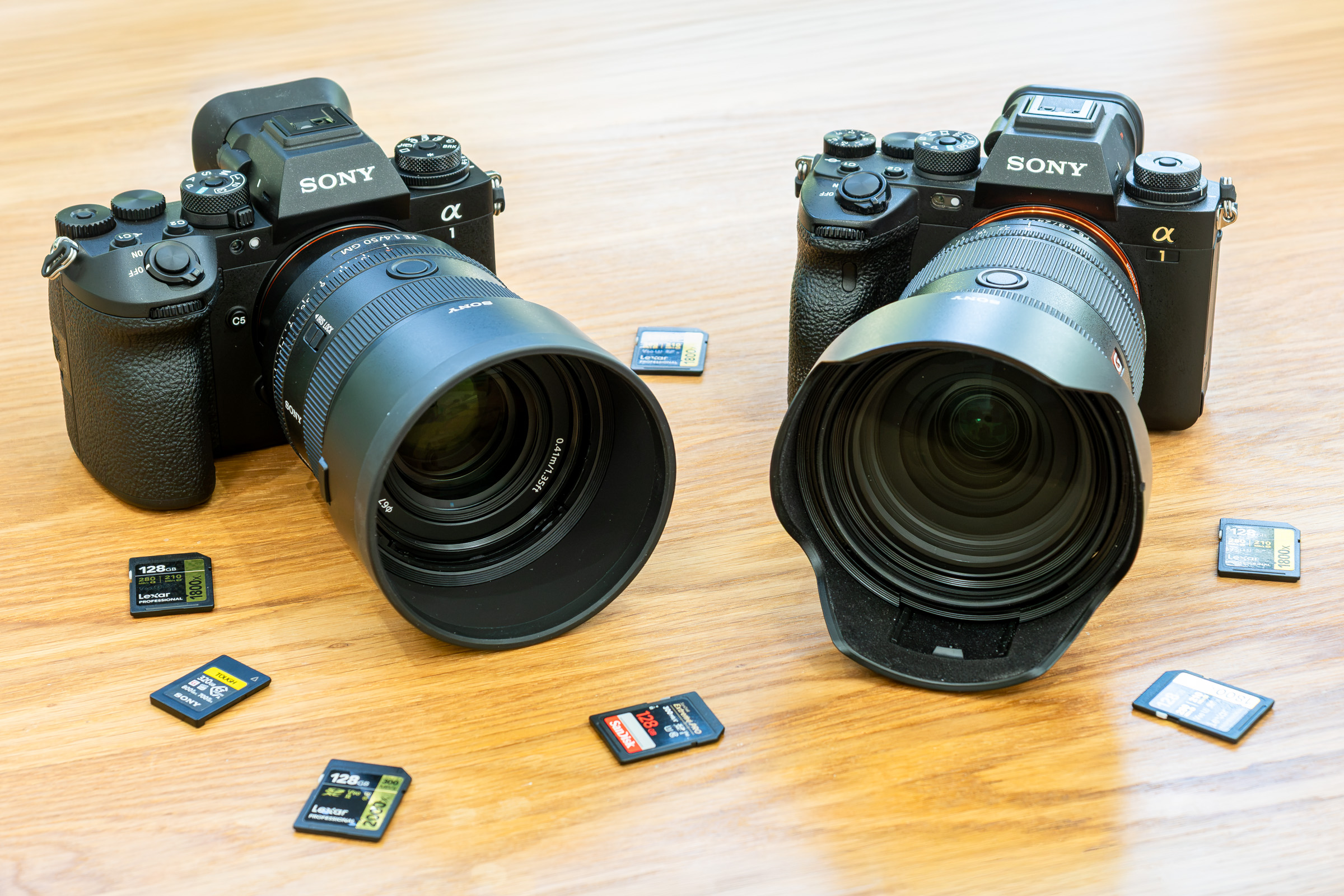
So, what do you need to be a wedding photographer? A keen eye for detail, unflappable calmness, relentless creativity? Yes to all of the above… but, of course, you also need a camera!
Actually, you need multiple cameras, because unfortunately things sometimes stop working just when you need them most - and you can extend that thinking to pretty much everything that a wedding photographer needs on the big day. In this blog, I’ll delve into the contents of my camera bag, to explain what is required to do this job in a professional, reliable and stress-free(ish) way…
Camera(s)
I use Sony full frame cameras, because their sensors (i.e the part of the camera that actually captures the image) are second to none: they provide exceptional detail, best-in-class autofocus and amazing low-light performance. While this is all very exciting to a photo geek like me, why should you care? Well, it means that the photos that I deliver to you will be sharp, in focus and contain minimal noise.
More importantly, I never take just a single camera to a wedding - I always take two, just in case one develops a technical fault or gets dropped in the fruit punch. It is extremely unlikely that a camera doesn't work properly, but it can happen - and, I can vouch from personal experience, it has happened!
Lenses
Again, I favour Sony gear (their GM line, to be specific). These lenses are widely recognised for their excellent performance, professional-grade build quality, and relatively compact and lightweight form - maybe not of any great interest to you, but it makes a difference at the end of a 14-hour wedding shoot!
While I generally prefer to use zooms, to give greater flexibility and to minimise the risk of missing any key shot, I also carry a selection of prime (i.e. fixed focal length) lenses - what these lenses lack in versatility, they more than make up for in terms of low-light performance, sharpness and bokeh (a pretentious term to describe the blurriness in out-of-focus background areas!).
My lens selection is carefully chosen so that it includes redundancy; in other words, I can capture the most critical focal lengths from multiple lenses, so if any lens stops working properly I can simply replace it with another. In everyday life, carrying more than you need is a bit of an inconvenience - but, on a wedding day when you only get one chance to document each moment, you can’t afford not to!
Batteries
An easy one - batteries don’t last forever, so you need to take plenty for a long day of photography!
Memory Cards
Like batteries, memory cards only have a finite capacity - and you tend to take a LOT of shots on a wedding day! What’s more, memory cards can occasionally fail, meaning that all the images may be lost - definitely not a good outcome for you if I’ve just shot your wedding!
How can we prevent this? To begin with, the cameras I use have dual memory card slots, so every photo that I take is simultaneously saved to two separate cards. Also, I use cards with smaller storage capacities - a single card might store 2-3 hours of photos, rather than the entire day. This approach means that if one card fails (a very unlikely event, but a possibility nevertheless), every image on it will already be duplicated to a second card. In the exceptionally unlikely event that both cards fail at the same time, no more than a couple of hours will have been lost from that camera (but don’t forget that I’ve always got a second camera on the go, so only half the images from that timeframe will be affected).
Other Equipment
As well as the camera bodies, lenses, batteries and memory cards, I’ll often use other photography gear in the course of shooting a wedding. For example, if I’m staying on for your night do, I may use on- or off-camera flash to add subtle and/or creative illumination! Again, unfortunately, I can’t just assume that everything will work perfectly forever, so every piece of equipment that I may wish to use will need a backup option - so, I’ll take a couple of flashguns and several spare batteries, to ensure that I’m able to use artificial light if/when the situation demands.
This multi-layered approach takes time, experience and money to put in place, but it is an essential part of being a reliable and professional wedding photographer - you simply can’t afford to take chances when it comes to capturing the most important day of your clients’ lives!
As well as this, there are many other things that I need to think about before I can offer my services to you as a prospective photographer for your wedding - and you can read all about that in next week’s thrilling instalment!
In the meantime, if you'd like to discuss booking me to shoot your own wedding, please don't hesitate to get in touch!